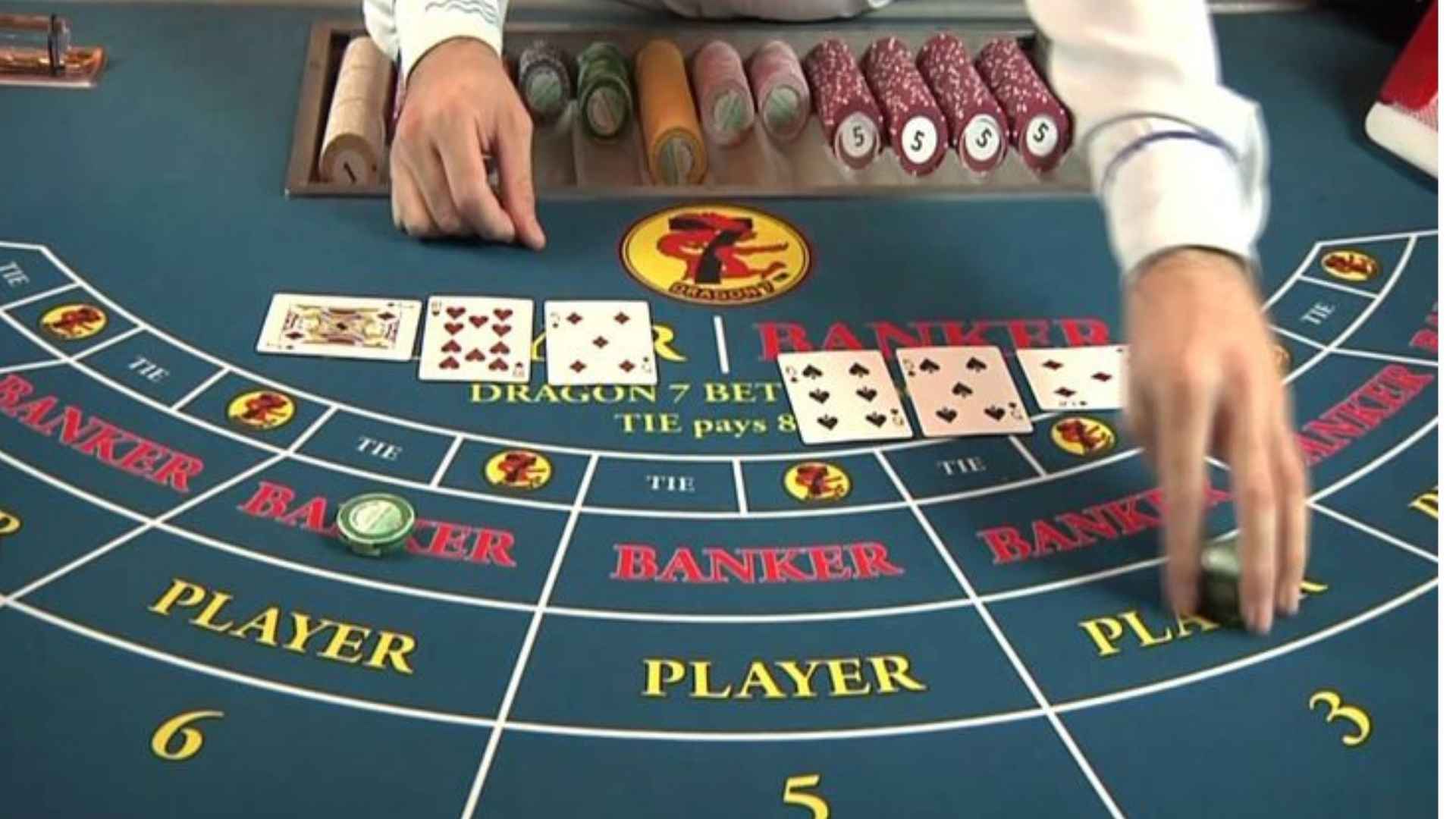
In competitive tabletop and strategy gaming, players continuously face a decision between steady progression and high-risk gambits. Mastering the balance between conservative moves and long-shot Hail Mary rolls often separates novice players from seasoned tacticians. Understanding when to consolidate your advantage and when to risk everything is essential for long-term competitive success.
The Value of Conservative Game Planning
Conservative play focuses on risk mitigation and securing predictable gains over multiple turns. By opting for safe statistical plays, players create a stable foundation that resists sudden momentum shifts. This approach forces opponents to take unnecessary risks to catch up.
However, relying solely on cautious play can leave a player vulnerable to aggressive counter-strategies. When an opponent builds a lead, conservative choices may only slow down inevitable defeat. Successful players use safe moves to establish control before evaluating aggressive options.
Recognizing the Hail Mary Moment
A Hail Mary roll is a low-probability, high-reward move attempted when traditional strategies no longer offer a path to victory. These desperate attempts become necessary when game state conditions severely favor the opponent. Identifying the exact turn to shift from defense to total aggression requires acute tactical awareness.
Executing a long-shot move too early can ruin a strong foundation, while delaying it can eliminate any chance of recovery. Gamers frequently review analytical breakdowns on digital platforms, such as the m88 login portal, to study probability patterns and risk dynamics. Knowing the precise odds helps players decide whether a drastic gamble is mathematically justified.
Evaluating Risk versus Reward Under Pressure
Decision-making under pressure often causes players to miscalculate risk, leading to either reckless choices or extreme passivity. Evaluating expected value requires looking beyond immediate outcomes to assess long-term board state implications. A calculated risk should always offer a payout that offsets its likelihood of failure.
Emotional discipline prevents players from making panic-driven gambits when safer alternatives still exist. Keeping a clear focus ensures that high-risk rolls are strategic choices rather than emotional reactions. Consistency in risk assessment leads to better performance over extended gaming sessions.
Adapting Strategy to Opponent Tactics
A dynamic game plan requires continuous adaptation based on how opponents handle risk. Facing an overly cautious player encourages aggressive maneuvers to control key resources, whereas facing a volatile player rewards defensive discipline. Reading these behavioral patterns gives proactive players a distinct advantage.
Ultimately, the best strategists seamlessly blend patience with decisive action when key opportunities emerge. Balancing consistent incremental progress with calculated long shots creates an unpredictable and highly effective playing style. Mastering this strategic equilibrium is key to dominating high-stakes matches.