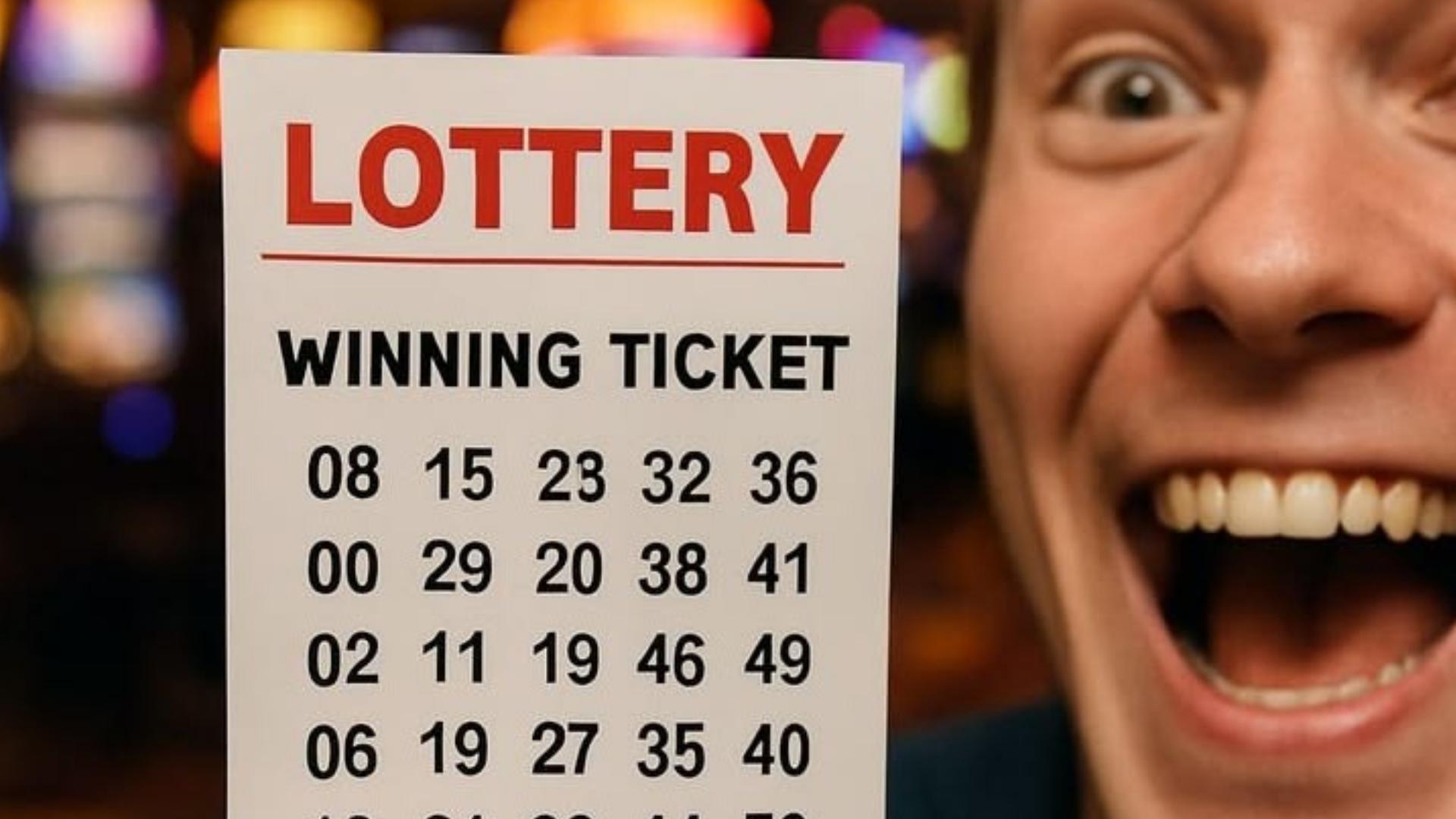
Probability is a captivating branch of mathematics that directly impacts our daily decision-making and risk assessment. Many people think understanding likelihood requires advanced mathematical training and complex formulas, but it can actually be explored through imaginative scenarios. By turning abstract numbers into hands-on exercises, learners can build dynamic problem-solving skills in an engaging way.
The Value of Hands-On Learning Experiments
Stepping into the world of statistical puzzles through active experimentation helps bridge the gap between theory and reality. When individuals manipulate physical objects like dice or cards, the core principles of chance become much more visible. This experimental approach transforms mathematical education from a repetitive classroom chore into a meaningful journey of personal discovery.
Research shows that the human brain retains complex concepts much better when sensory movement is involved. Instead of staring at dry data sheets, tracking the frequencies of unexpected outcomes builds an intuitive grasp of behavioral patterns. These localized activities serve as a strong cognitive foundation for curious minds of all age groups.
Navigating Chaos and Predicting Randomness
Human beings possess an innate psychological drive to find hidden order within unpredictable systems. While a perfect forecast remains statistically impossible, learning to identify recurring trends helps reduce the frustration of chaotic results. Cultivating this analytical mindset allows you to approach everyday challenges with significantly improved foresight.
Modern digital platforms frequently utilize these structural models to create engaging interactive environments. If you want to analyze how randomized engines operate under fair conditions, visiting a dedicated platform like login situs m88 can offer an informative look at virtual distributions. Observing these systems in real time provides practical insights into how logic balances out absolute uncertainty.
Building Creative Strategy Through Play
Many traditional gaming formats rely heavily on a delicate combination of pure luck and calculated individual choices. Recognizing where chance ends and expertise begins is a vital component of successful risk management. When players actively plan their moves based on fluctuating odds, they are sharpening their decision-making flexibility.
Developing advanced tactical foresight requires persistent practice and steady observation over long periods. By evaluating the consequences of previous choices, you can better estimate potential risks and adapt to shifting circumstances. This strategic exercise ultimately empowers individuals to navigate complex situations in both academic and professional fields.
Practical Challenges for Daily Practice
Integrating simple probability exercises into your daily routine does not require heavy textbooks or rigid schedules. You can start by guessing the likelihood of routine events, such as weather shifts or basic traffic distributions. Over time, these small mental challenges build a resilient framework for objective reasoning.
Maintaining a balanced perspective ensures that you can enjoy the structural beauty of statistics without unnecessary stress. With consistent practice and curiosity, the mysterious world of mathematical chance becomes both highly accessible and deeply rewarding. Embracing these creative exercises is the ideal way to expand your practical analytical knowledge.