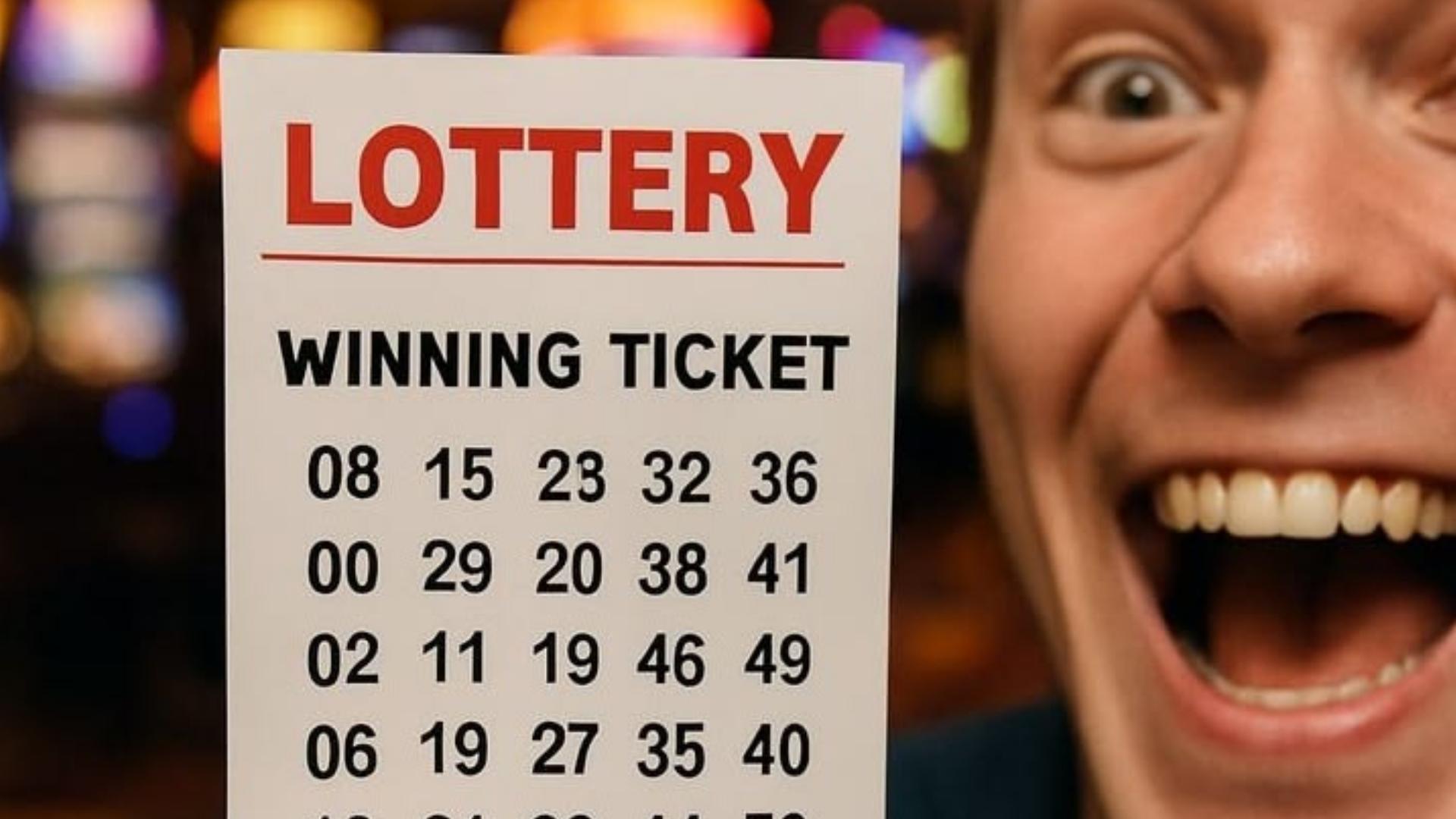
The debate over whether wagering on athletic events constitutes gambling often sparks heated discussions among fans, regulators, and financial experts. At its core, placing money on an uncertain outcome fits the classic definition of gambling regardless of the activity involved. However, many participants argue that the element of analytical skill sets sports wagering apart from pure games of chance like roulette or lotteries.
Defining Gambling in the Context of Sports
Legal and legalistic frameworks generally define gambling as staking something of value on an event with an uncertain outcome in hopes of gaining a profit. Under this broad classification, placing a wager on a football game or horse race unequivocally falls under the umbrella of gambling. The financial risk remains real, and no amount of preparation can completely eliminate the unpredictability of live competition.
Despite this classification, the experience of a sports bettor differs significantly from a casino visitor playing slot machines. Sports markets react to real-world variables, team performance metrics, and weather conditions rather than automated random number generators. Readers interested in digital platforms often review services such as m88 link alternatif to observe how modern operators structure these varying event markets.
The Role of Skill Versus Chance
One primary distinction often made by enthusiasts is the degree of influence a knowledgeable participant can exert over their decisions. Successful sports bettors spend countless hours analyzing statistics, player injuries, tactical matchups, and historical trends. This analytical layer introduces a element of strategy that pure chance games simply do not possess.
Nevertheless, human error, referee calls, and unpredictable weather ensure that chance always plays a decisive role in the final score. Even the most meticulously researched wager can fail due to a last-minute injury or unexpected bounce of the ball. Therefore, while skill enhances decision-making, it does not remove the fundamental element of risk.
Legal and Regulatory Classifications
Governments across the globe predominantly regulate sports wagering under their broader gambling legislation. Regulatory bodies oversee sportsbooks to enforce consumer protection rules, prevent underage participation, and ensure fair tax contributions. These legal frameworks treat sports books and casinos similarly because both involve real-money wagering risks.
In recent years, legislative updates have focused on distinguishing between different types of wagering to establish tailored rules. Some jurisdictions apply specific tax rates or licensing requirements dedicated exclusively to sports gaming operators. These distinct policies recognize the unique nature of sports wagering while still maintaining strict oversight.
Financial Risks and Responsible Management
Regardless of how one categorizes sports wagering, maintaining responsible financial habits remains paramount for all participants. Recognizing that outcomes are never guaranteed helps individuals set strict budget limits and avoid chasing losses. Treating sports wagers as a form of paid entertainment rather than a reliable source of income promotes healthier participation.
In conclusion, while sports betting incorporates significant elements of strategy, analytical skill, and knowledge, it remains fundamentally a form of gambling. Embracing this reality allows sports fans to approach the activity with a clear understanding of the risks involved. Responsible planning and realistic expectations are essential for ensuring a safe and sustainable experience.