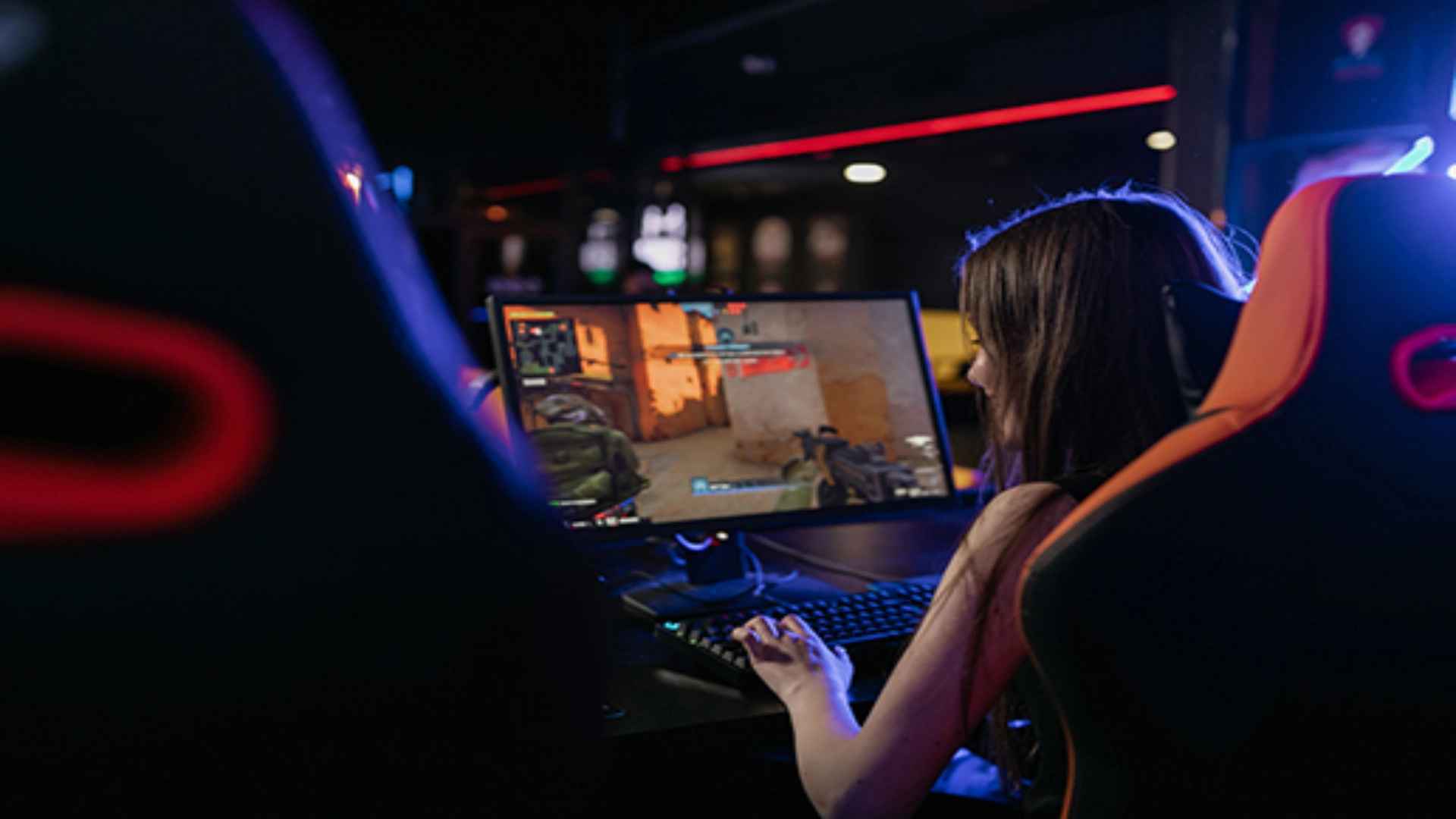
Competing in high-level lobbies like Master Tier demands an incredible amount of focus and mental fortitude. When a match ends in a narrow defeat after forty minutes of intense tactical play, the immediate psychological impact can feel crushing. Understanding how to bounce back from these razor-thin losses is what separates consistent climbers from players who spiral into demoralizing loss streaks.
The Emotional Toll of Narrow High-Stakes Defeats
Losing a game where both teams played exceptionally well triggers a unique form of frustration. Players often replay pivotal team fights or micro mistakes in their heads, wondering how a single click could have altered the outcome. This mental loop can quickly lead to fatigue if not properly managed after the match concludes.
High-stakes environments amplify the perceived weight of every League Points deduction. Because reaching Master Tier represents elite mechanical and strategic execution, losing close games tests a player's core confidence. Recognizing that high-level competition naturally involves marginal losses is the first step toward maintaining composure.
Reframing Defeat as Tactical Data Collection
Resilient players view close losses not as failures, but as valuable analytical feedback. When a game comes down to a final Elder Dragon contest or Nexus defense, the mistakes made are often highly specific and actionable. Identifying these critical decision points transforms emotional frustration into a structured learning objective.
Analyzing VODs immediately following a narrow defeat helps contextualize key moments without emotional bias. Evaluating objective setups, wave states, and team fight positioning provides clear insights for future matches. Focusing on objective improvement shifts the brain's focus away from regret and toward actionable skill mastery.
Managing Frustration and Preventing Emotional Tilt
Tilt often originates from the perception that a match was stolen by factors outside a player's direct control. In close Master Tier games, a single mispositioned ultimate or unexpected enemy flank can invalidate thirty minutes of solid macro control. Accepting the inherently dynamic nature of competitive lobbies helps neutralize immediate anger.
Taking short, deliberate breaks after painful losses resets the nervous system before queuing up again. Stepping away from the screen allows the brain to process adrenaline and restore cognitive clarity. Returning to the game with a clean slate prevents residual tilt from bleeding into subsequent matches.
Building Long-Term Mental Fortitude for Ranked Climbing
Developing true mental resilience requires focusing on long-term growth rather than short-term LP fluctuations. High-tier ladder climbing is a marathon defined by consistent decision-making across hundreds of games. Players who frame every match as part of a larger developmental journey remain unaffected by individual losses.
Establishing healthy routines outside of the game further strengthens emotional stability during intense competitive sessions. Prioritizing proper sleep, physical activity, and balanced mindsets ensures optimal cognitive performance. Ultimately, mastering the psychological recovery process empowers high-ranked players to perform at their absolute peak under pressure.